The Ultimate Guide to Cortina d’Ampezzo: Best Things to Do
Discover the best things to do in Cortina d’Ampezzo, from skiing and hiking to dining, spas, and iconic Dolomite scenery.
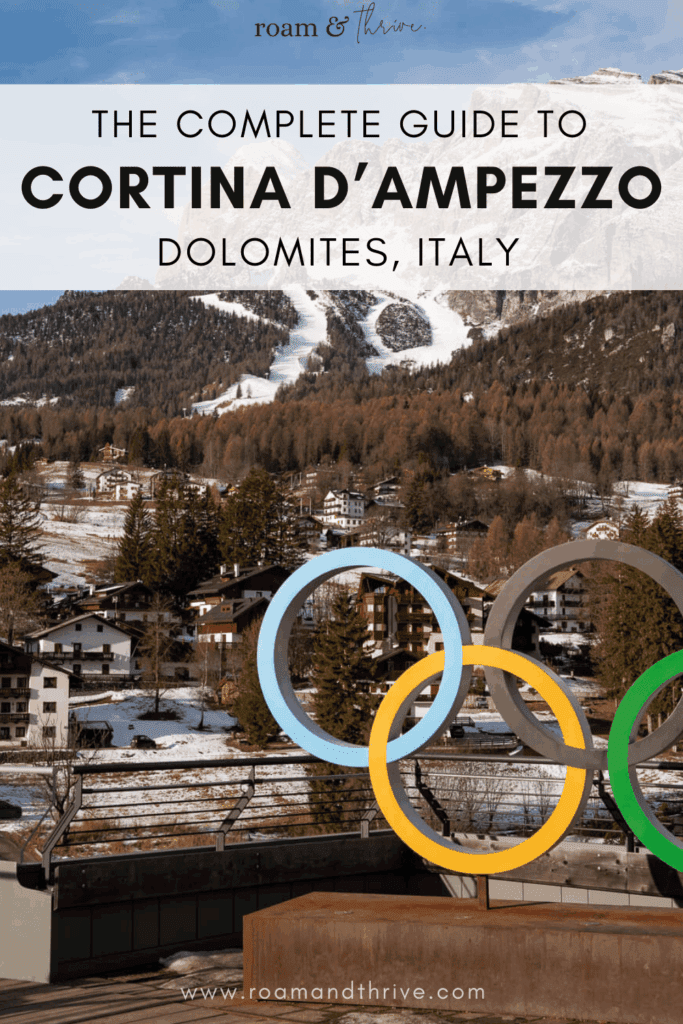
Cortina d’Ampezzo has been on the world stage before. As the host of the 1956 Winter Olympics, this elegant Dolomites town cemented its reputation as Italy’s most glamorous mountain destination, one that has managed to balance alpine sport with style ever since.
In winter, Cortina is defined by world-class skiing, polished hotels, and a social scene that revolves around long lunches and après-ski. In summer, the snow gives way to hiking trails, dramatic limestone peaks, alpine lakes, and cooler mountain air that draws a completely different, but equally devoted, crowd.
What sets Cortina apart is its year-round appeal. It functions as both a serious outdoor destination and a refined resort town where good food, design, and atmosphere matter just as much as what you do on the mountain.
Days often begin with skiing or hiking and end with aperitivo on Corso Italia, surrounded by the jagged silhouettes of the Dolomites. It’s a place that feels distinctly Italian, even at altitude.
I visited Cortina on season-opening weekend ahead of the 2026 Winter Olympics to get a sense of the town before global attention returns. The timing offered a quieter look at the destination, just as the season was beginning to shift.
I explored the best things to do, where to stay, and where to eat, and this guide brings together the highlights of Cortina d’Ampezzo, from a firsthand perspective. Here’s your complete guide to the best things to do in Cortina d’Ampezzo.


*This ‘best things to do in cortina d’ampezzo italy’ post contains affiliate links meaning I might make a small profit if you choose to book at no extra cost to you. This helps me to keep providing you with top-quality content for free.
Short on Time? Here are my Top Picks for Cortina d’Ampezzo
Where to Stay: Ancora Cortina, Hotel de LEN, Rosapetra Spa Resort
Where to Eat: Tivoli, San Brite, El Brite de Larieto, Alajmo Cortina
Things to Do: Hiking, Skiing, Via Ferrata, Ride the Cable Cars, Lago di Braies, Dining
How to Get to Cortina d’Ampezzo
Cortina d’Ampezzo doesn’t have its own airport, but it’s easy to reach from several major cities in northern Italy and nearby Austria.
Venice is the most common gateway, with Cortina located about two to three hours away by road. There are direct buses from Venice (including the airport and Mestre), as well as train-and-bus connections via Calalzo di Cadore.
Milan and Verona are also well connected, though the journey is longer, typically involving a mix of trains and buses. From the north, Innsbruck is another practical starting point, with Cortina reachable by car or public transport with one or two changes.
As someone who lives in Italy, the easiest option for me was to fly into Venice, rent a car, and drive up to Cortina. The drive is straightforward and scenic, and it gives you far more flexibility once you arrive.
While you can manage without a car if you’re only planning to stay in town, I would 100% recommend renting one if you want to properly explore the area. Many of Cortina’s best hiking trails, lakes, and nearby sights are outside the town center and are much easier to access with a car.
Side note: I always rent through Discover Cars, and this trip was no exception. I booked with Sixt via Discover Cars, chose full insurance and winter tires, and had a smooth, stress-free experience from start to finish—something that’s been consistently true every time I’ve rented with them. Check rates and book with Discover Cars.


Getting Around Cortina
Cortina itself is a compact, very local-feeling town, and once you’re in the center, it’s easy to get around on foot. Corso Italia is the main artery, and most shops, cafés, bars, and many restaurants are clustered within a short walk.
In winter, local buses run regularly to the main ski areas and chairlifts, making it possible to get on the slopes without driving.
That said, if you want to experience Cortina beyond the town limits, having your own car is really the way to go. Many of the area’s best hikes, lakes, panoramic viewpoints, and nearby villages aren’t easily reached by public transport, especially outside peak ski season or in summer when trailheads are more spread out.
One important thing to note: parking in Cortina can be challenging during peak season, particularly in winter. I’d recommend booking a hotel in town (scroll down for my top picks) and arranging a dedicated parking spot directly with your hotel.
It’s one small detail that makes a big difference (looking back I wish I’d done this)—and saves you from circling icy streets and missing your dinner reservations.
Where to Stay in Cortina d’Ampezzo
Before you book a place to stay in Cortina, the main question to consider is whether you want to be in town, in the middle of the action, or a little outside for more peace and mountain views.
Cortina’s town center is compact and walkable—with shops, restaurants, and nightlife just steps from your door—while properties on the edges of town or slightly above offer quieter nights and often better access to nature, but you need to get a taxi or drive to get anywhere.
Here are some of the best luxury hotels in Cortina, from classic Cortina icons to refined mountain retreats:
Ancora Cortina – A timeless and newly-renovated choice right in the heart of town, Ancora has that traditional Alpine-meets-Italian elegance that Cortina does so well. You’re steps from Corso Italia, local cafés, and the bus stops for the ski lifts in winter.


Hotel de LEN – A stylish boutique pick with a minimalist, design-forward sensibility. de Len feels both contemporary and sharply rooted in the Dolomites. Great if you want to be near town but with a more modern, curated vibe.
Rosapetra Spa Resort – If wellness matters to you, this is the pick. A bit removed from town, but Rosapetra pairs refined rooms with a standout spa—perfect for rest days or post-hike or ski recovery.
Grand Hotel Savoia Cortina d’Ampezzo – Another classic Cortina property right downtown, Savoia combines historic charm with updated comfort. It’s a reliable choice for first-time visitors who want to be in the thick of it.
Faloria Mountain Spa Resort – A step above standard slope-side stays, this is the choice for those who want both alpine drama and elevated comfort. The spa here is a highlight, and the views don’t quit.
For all the top options, read also: The Best Hotels in Cortina d’Ampezzo, Italy
Mountain Huts
If you’re planning a summer trip to Cortina, it’s also worth looking beyond traditional hotels and considering a stay in one of the area’s mountain huts (rifugi), especially if hiking is the main focus of your trip.
The Dolomites are dotted with well-run rifugi that offer simple but comfortable rooms or dormitories, hearty meals, and some of the best views you’ll wake up to anywhere in Italy.
Staying in a mountain hut makes it easy to structure your days around hiking rather than driving. For solo travelers in particular, huts can be significantly more affordable than hotels.
One of the biggest advantages is access. You get those high-alpine viewpoints at sunrise and sunset without needing a car or navigating mountain roads in the dark. Comfort levels vary by hut, but many around Cortina are well maintained and surprisingly polished, with private rooms available in some cases.
If your idea of a perfect Cortina summer involves long hikes, golden-hour light, and falling asleep surrounded by peaks, a rifugio stay is absolutely worth considering.
Here are some of the best rifugios to look into:
Rifugio Alpe di Sennes & Rifugio Sennes – Set in wide-open alpine meadows north of Lago di Braies, these huts feel pastoral and peaceful rather than dramatic. Best accessed on foot over the ridge, they’re ideal if you want softer landscapes and quieter trails.
Rifugio Biella (Seekofel) – A high-alpine hut tucked even closer to Lago di Braies, perfect for hikers who want early access to the area before day visitors arrive. Simple, scenic, and very well positioned.
Rifugio Lagazuoi – One of the most sought-after huts in the Dolomites, perched dramatically on a ridgeline with sweeping views in every direction. It’s pricier than most, but the setting delivers. Booking is done online, cards are accepted, and there’s even a panoramic sauna available for an extra fee.
Rifugio Valparola – Located on a mountain pass surrounded by sheer rock faces and towering peaks. Less about luxury, more about location. Reservations are typically handled via online messaging.
Rifugio Averau – A standout all around: exceptional views, excellent food, spotless rooms, and warm service. One of the most polished hut experiences in the area. Reservations are online with a deposit required, and credit cards are accepted.
Rifugio Sorapis – Set beside one of the most striking alpine lakes in the Dolomites. Cozy, welcoming, and known for good food, though booking isn’t particularly intuitive. Reservations are usually handled via WhatsApp or text; cash only.
Rifugio Lavaredo – Located in the Tre Cime di Lavaredo area, ideal for early access to one of the Dolomites’ most iconic landscapes.
Rifugio Auronzo – Also in Tre Cime, a popular and convenient base with direct access to multiple hiking routes.
Rifugio Pomedes – Set high in the Tofana area, offering expansive views and excellent access to alpine trails.
Rifugio Faloria – A high-elevation hut overlooking Cortina with easy access via cable car from town. A great option if you want alpine views without a long hike in. The overnight rate includes the lift ride.
Rifugio Fonda Savio – Located beneath the dramatic Cadini di Misurina group, an area that easily rivals Tre Cime in scenery but sees fewer people. Reservations are typically made by email or phone.
Read more: Where to Stay in the Dolomites, Italy: Best Hotels & Areas


How to Reserve Mountain Huts
Every rifugio works a little differently, but the system is easier than it sounds once you know what to expect. Most people book half board, which includes a bed, a three-course dinner, and breakfast.
If you reserve early, you may have a choice between a private room or a dorm, depending on the hut. Many also offer a packed lunch for the following day’s hike.
Booking methods vary—some huts have online systems, others prefer email or WhatsApp. Don’t expect confirmation numbers or automated emails; your name is often written into a handwritten reservation book, and it somehow all runs smoothly. Many huts require a deposit (often around 50%) to secure your reservation.
Cash is essential. Most huts don’t accept cards due to limited service, so bring enough to cover your stay, drinks, and any extras. Payment usually happens after dinner or the next morning.
Once you arrive, you can typically drop your things and get settled early. Shoes are removed before entering sleeping areas, so pack indoor sandals.
Dinner is served at a fixed time—usually around 6pm—and includes multiple options for each course. Meals are communal and often one of the most enjoyable parts of the experience.
A few practical notes: bring a sleeping bag liner (this is mandatory), check breakfast hours so you don’t miss it, and expect simple but well-run facilities. Some huts have showers (not always free), and water is usually sold rather than provided.
Planning your stays at higher-elevation huts gives you the best chance for memorable sunrises and sunsets—and is one of the biggest rewards of staying in a rifugio.
Best Things to Do in Cortina
Ski the Dolomiti Superski Area


Skiing in Cortina means access to the Dolomiti Superski, one of the largest and most impressive ski networks in the world. The terrain here is less about extreme drops and more about long, scenic runs with flawless grooming and constant views of jagged limestone peaks.
Cortina’s ski areas—Tofana, Faloria–Cristallo, and Cinque Torri—offer a mix of wide cruisers, challenging black runs, and sunny pistes that feel tailor-made for confident intermediates. For beginners, stick to the Tofana slopes where you’ll find the easiest runs.
What really sets the experience apart is the rhythm: ski a few runs, stop for a proper mountain lunch, then ease back onto the slopes. It’s polished, social, and distinctly Italian, skiing that values style, scenery, and good food just as much as the actual skiing.
Do the Via Ferrata
Cortina is one of the best places in the Dolomites to experience via ferrata, the region’s famous network of protected climbing routes. These iron-cable paths allow you to traverse exposed cliffs, ladders, and ridgelines that would otherwise require technical climbing skills.
Routes around Cortina range from beginner-friendly introductions to more demanding, high-alpine lines, many with serious views over the Tofane, Lagazuoi, and Cinque Torri.
What makes via ferrata here especially compelling is the blend of adventure and accessibility. With the right gear—and ideally a local guide—you can safely experience dramatic terrain while learning about the area’s World War I history, as many routes follow old military paths.
It’s an unforgettable way to see the Dolomites up close and a summer highlight if you’re looking to go beyond standard hiking.
Go Hiking


Hiking is one of the best things to do in Cortina, year-round, with options that shift seamlessly with the seasons.
In winter, when the snow settles in, the area offers excellent winter hiking and snowshoeing, perfect for days when you want to stay active without skiing.
One of the most accessible routes is the Passeggiata Ex Ferrovia, a flat, well-marked path that follows the old railway line. The walk takes about an hour and leads from Cortina toward the nearby village of San Vito di Cadore, with open views back over the valley as you leave town behind. It’s easy, scenic, and ideal in snowy conditions.
Come summer, hiking becomes the main event. Cortina sits at the center of several of the Dolomites’ most famous hiking areas, from the Tofane and Cinque Torri to Tre Cime di Lavaredo, Sorapis, and Lagazuoi.
Trails range from gentle walks to full-day alpine routes, many accessible via cable car. Whether you’re planning classic day hikes or multi-day routes between mountain huts, Cortina makes an excellent base—and I’ll break down specific trails and areas in more detail below.
Après-Ski (Cortina-Style)
Après-ski in Cortina is polished, relaxed, and very Italian, more about good wine and conversation than loud music and ski boots on tables. Once the lifts close, the action shifts back into town, where both locals and visitors ease into the evening over aperitivo.
Two of my favorite places to linger are Enoteca Cortina, right in the center of town, and Enoteca Baita Fraina, just slightly outside the core. Enoteca Cortina is ideal for a classic post-ski stop: excellent wines, knowledgeable staff, and a lively but unpretentious atmosphere.
Baita Fraina feels more local and intimate, with a strong focus on regional bottles and small plates—perfect if you want something quieter and more grounded.
Ride the Cable Cars for the Views


Even if you don’t ski or just want to give your legs a break, riding Cortina’s cable cars is one of the easiest ways to experience the Dolomites from above. Lifts like Faloria and Tofana whisk you up in minutes, delivering sweeping views over jagged peaks, wide valleys, and the town far below.
On a clear day, the scale of the landscape is jaw-dropping.
In winter, the cable cars are part of the ski infrastructure, but they’re just as worthwhile for non-skiers who want access to panoramic viewpoints and mountain restaurants. In summer, many lifts continue operating, making it easy to reach high-altitude trails and rifugi without a long uphill climb.
Go Ice Skating at the Olympic Ice Stadium
Cortina’s Olympic Ice Stadium is a direct link to the town’s sporting history and a fun, low-key winter activity, whether you’re a skater or not. Built for the 1956 Winter Olympics, the rink is still in active use today and open to the public, offering a rare chance to skate somewhere that actually matters in Olympic history.
The rink will also be used in the 2026 Winter Olympics, so if you’re heading up to Cortina at that note, note that the rink will be closed to the public.
It’s a nice change of pace from the slopes—especially in the afternoon or early evening—and works well if you’re traveling with non-skiers. Skates can be rented on site, and sessions are relaxed rather than competitive.
Even if you don’t lace up, it’s worth stopping by to see one of Cortina’s most iconic venues still doing what it was built to do.
Schedule some Spa Time
Cortina is made for recovery, and scheduling spa time—especially in winter—is practically part of the itinerary. After long ski days or cold-weather hikes, there’s nothing better than retreating indoors to warm pools, saunas, and quiet relaxation areas with mountain views.
My recommendation here would be to prioritise accommodation with a fantastic spa. One of the best options is Rosapetra Spa Resort, which has one of the most comprehensive and well-designed spas in Cortina.
Expect indoor and outdoor pools, multiple saunas, steam rooms, and a calm, refined atmosphere that feels genuinely restorative. It’s ideal whether you’re staying there, but you can also book in for a treatment.
Several of Cortina’s higher-end hotels offer excellent wellness facilities, but Rosapetra stands out for its size, layout, and overall experience. The spa at Ancora Cortina is also great, but much smaller in size than Rosapetra.
Visit Lago di Braies


Lago di Braies is one of the most photographed places in the Dolomites and also one of the most beautiful. Located about an hour’s drive from Cortina, the lake is known for its emerald-blue water, steep forested slopes, and dramatic mountain backdrop.
It’s an easy walk around the shoreline and works well as a half-day trip from Cortina.
Because of its popularity, timing matters, especially in the summer months. Visit early in the morning or later in the afternoon to avoid the worst of the crowds, and make sure to know that during the summer months, you’ll also need to book your parking slot ahead of time.
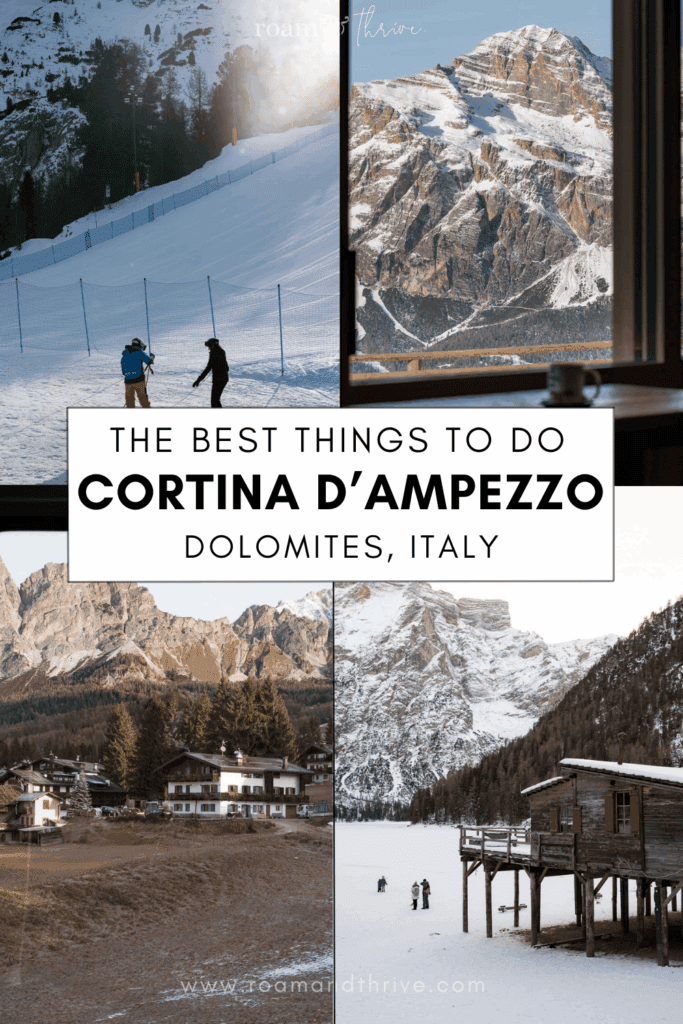
Shoulder season and winter are particularly appealing, when the lake feels quieter and more atmospheric. When I visited, at the beginning of December, the lake was frozen over, and the wintery landscape was peaceful, uncrowded, and sublime.
Whether you walk the loop, take photos, or simply take it in, Lago di Braies is worth the effort—as long as you plan it right.
Uncover Cortina’s Dining Scene


Cortina’s dining scene punches well above what you might expect from a small mountain town. The food here reflects its location, rooted in Alpine traditions but unmistakably Italian, and ranges from hearty local classics to refined, Michelin-starred dining.
You’ll find everything from elegant hotel restaurants to long-standing family-run spots where the menu barely changes because it doesn’t need to.
For fine dining, Cortina is home to several Michelin-starred restaurants, including Tivoli, known for its modern, ingredient-driven approach, and SanBrite, just outside town, which focuses on seasonal cooking and local sourcing with a distinctly contemporary edge.
At the other end of the spectrum are excellent traditional restaurants serving dishes like casunziei, venison, and rich alpine cheeses—perfect after a day in the mountains.
For a full breakdown, read my full guide to the best restaurants in Cortina, including where to book ahead, where to go for something casual, and which places are actually worth the hype.
Stroll Corso Italia


Corso Italia is the spine of Cortina and the place where the town’s rhythm is most visible. Lined with cafés, wine bars, and hotels, it’s where locals meet for coffee, skiers wander through in the late afternoon, and evenings naturally begin with aperitivo.
A slow walk here—especially at golden hour—gives you a real sense of Cortina’s atmosphere without needing a plan.
What makes Corso Italia special is how lived-in it feels. Whether you’re heading out for dinner or just stretching your legs after a mountain day, this is where Cortina is most alive.
Go Shopping


Cortina’s shopping scene is a mix of polished luxury and deeply rooted local craftsmanship—and the contrast is what makes it interesting. Yes, the main stretch is home to high-profile names like a brand new Prada store and Loro Piana, but look a little closer, and you’ll find independent boutiques and artisan shops that feel far more tied to the region.
For beautifully made clothing with heritage behind it, Paoletti di Follina 1795 draws on centuries of wool-making tradition, producing refined jackets and pieces inspired by Tyrolean and equestrian styles.
Ghedina Zuccaro is another local favorite, offering alpine clothing for men, women, and children—its hand-embroidered wool socks make especially good gifts.
If homewares are more your thing, Magamaison is a small treasure chest of embroidered linens and thoughtfully crafted textiles, while Sottosopra hides some excellent alpine felt slippers among its eclectic kitchenware.
Duca di San Giusto Cashmere is worth seeking out for high-quality cashmere that feels made for mountain climates. And for a quieter pause between stops, Libreria Sovilla is a charming local bookshop that feels like a slice of everyday Cortina.
Visit Lago di Sorapis
Lago di Sorapis is one of the most striking natural sights near Cortina, famous for its unreal, milky-turquoise color set against sheer limestone peaks.
Reaching it requires a hike—this isn’t a drive-up lake—which is part of what makes it feel earned. The trail is manageable for most hikers, though there are a few exposed sections that require attention, especially in wet conditions.
Because of its popularity, timing is important. Start early in the morning or aim for later in the day to avoid crowds, particularly in high summer.
For a quieter experience, consider staying overnight at Rifugio Vandelli, which allows you to see the lake at sunset and early morning when it’s at its most peaceful. Lago di Sorapis is undeniably popular—but planned well, it’s still one of the most rewarding hikes in the area.
Best Hikes Around Cortina d’Ampezzo
Cortina sits at the center of some of the most varied and rewarding hiking in the Dolomites. From iconic bucket-list routes to quieter high-alpine trails, these are the hikes that consistently deliver, for views, atmosphere, or just their sheer drama.
Tre Cime di Lavaredo Loop – The classic for a reason. This relatively accessible loop circles the iconic three peaks and offers constant, jaw-dropping views with minimal technical difficulty. Go early or stay overnight nearby to avoid crowds.
Lago di Sorapis – A popular but worthwhile hike leading to one of the most photogenic lakes in the Dolomites. The trail has a few narrow, exposed sections but is manageable for confident hikers. Best tackled early in the day.
Cinque Torri – An excellent mix of scenery and history. This area combines dramatic rock formations with World War I sites, and the trails are generally moderate and well-marked. Easy to combine with a lift-assisted start.
Lagazuoi to Passo Falzarego – A high-alpine route with sweeping views and strong historical context. You can ride the cable car up and hike down, passing tunnels, ridgelines, and open valleys along the way.
Tofana di Rozes Circuit – A more demanding option with big scenery throughout. This hike offers a quieter, more rugged feel and showcases the scale of the Tofane group beautifully.
Croda da Lago Circuit – One of the most scenic full-day hikes near Cortina, passing alpine meadows, dramatic peaks, and the picturesque Lago Federa. Ideal for hikers looking for variety and fewer crowds.
Cadini di Misurina (via Rifugio Fonda Savio) – Less famous than Tre Cime but just as dramatic. The sharp, jagged peaks feel wild and imposing, and the trails here are noticeably quieter.
Passeggiata Ex Ferrovia – An easy, flat walk following the old railway line toward San Vito di Cadore from the center of Cortina. Perfect for rest days, winter hiking, or anyone looking for something scenic without much effort.


Top Tips for Visiting Cortina
Avoid April and November – These are Cortina’s true off-season months. Ski season has ended, summer hiking hasn’t started yet, and many of the best hotels, restaurants, and lifts are closed. Unless you’re passing through for a very quiet stop, it’s best to plan around these months.
Book Ahead in High Season – Winter (especially February) and peak summer fill up fast. Hotels, restaurants, mountain huts, and even parking spots (for Lago di Braises and Tre Cime) can sell out well in advance—planning ahead makes a big difference here.
Rent a Car If You Want to Explore – While Cortina town is walkable, having a car gives you access to trailheads, lakes, and nearby areas like Tre Cime and Lago di Braies. It dramatically expands what you can see.
Start Early for Popular Sights – Places like Lago di Sorapis, Tre Cime, and Lago di Braies are best visited early in the morning or later in the day to avoid crowds.
Check Lift Schedules – Cable cars operate on seasonal schedules and can close for weather or maintenance. Always check times in advance—especially in shoulder season.
Carry Cash for Mountain Huts – Many rifugi don’t accept cards. Bring enough cash for meals, drinks, and overnight stays when hiking.
Dress Well (and Practically) – Cortina has a polished, understated style—even on the mountain. Functional gear is essential for the mountain, but you’ll also want a few ‘nicer’ outfits for aperitivo and dinner.
Which of these best things to do in Cortina, Italy, will you be planning? Share your questions and comments below—I’d love to hear from you!
Make sure not to leave home without travel insurance. For the last few years, I’ve been using Safetywing Nomad Insurance for all my individual trips and digital nomad lifestyle and there’s no better company for all my insurance needs. Cover starts from as little as $58 per month. Get your quote below now.
Planning a trip right now? These are just some of my favourite websites I use to book everything from hotels to rental cars!
Rentalcars.com for quick and easy car rentals worldwide
Booking.com for great deals on hotels
Agoda also for great deals on hotels
Viator for tours and adventures around the world
Related posts you might like:
The Best Hotels in Cortina d’Ampezzo, Italy
The Best Restaurants in Cortina d’Ampezzo, Italy
Checking In: Hotel Petrus, Dolomites, Italy
Where to Stay in the Dolomites, Italy: Best Hotels & Areas
The Best Things to Do in Venice, Italy
FOUND THIS POST HELPFUL? PIN IT AND SHARE