
The Best Restaurants in Rome, Italy
My curated guide to the best restaurants in Rome Italy, worth planning your trip around.
Rome is a city made for dining. It’s meant to be devoured, slowly, usually over several courses that stretch long into the evening. Unlike Milan, where the food scene leans modern, design-led, and often globally inspired, Rome’s gastronomy is far less interested in reinvention.
At its core, Roman cooking is rooted in cucina povera, a cuisine born from necessity and simplicity. Ingredients like guanciale, pecorino Romano, black pepper, artichokes, and offal form the backbone of countless dishes, transforming humble pantry staples into something deeply satisfying.
Prepare to wrap your fork around silky cacio e pepe, rich carbonara, punchy amatriciana, crispy fried supplì or artichokes, or slow-cooked classics that feel like they belong to another era. The food here is heavy, creamy, salty, fatty, fried, and gloriously unapologetic, exactly what makes it so irresistible.
Of course, it would take a lifetime to eat at every great restaurant in the Eternal City. But after countless visits to Rome, inventive tasting menus, late-night trattoria dinners, long lunches that blurred into aperitivo, and more empty plates than I can reasonably justify, these are the best restaurants in Rome, the ones I return to, recommend without hesitation, and consider the very best places to eat in Rome.


Side note: While these are my top picks for restaurants in Rome, most of them are far from hidden gems — and that means tables disappear quickly. Reservations are essential, especially at popular spots like Roscioli and Armando al Pantheon, where bookings can fill up weeks in advance, particularly during the busier, warmer months. If you have your heart set on a specific place, plan ahead and secure your table early.
27 Best Restaurants in Rome, Italy
I’ve organized this list the way I tend to eat through Rome, beginning with fine dining and gradually moving toward more relaxed, casual spots that are perfect for a long lunch or a quick bite between sights. The format may become more casual as you go, but the quality never drops; some of the city’s best food is found in its simplest places.
This guide focuses purely on restaurants or spots to go exclusively to eat. Bars and aperitivo spots deserve their own dedicated moment, so those will be covered separately.
You’ll also notice fewer picks in Trastevere — intentionally so. Not because it isn’t a great place to eat, but because The Best Restaurants in Trastevere, Rome guide already dives deeply into that neighborhood and pairs well with this one.
The emphasis here is on Italian, and specifically Roman, cuisine, with a handful of thoughtful exceptions — from Tuscan to Japanese — for when you’re craving something a little different.
Best Fine Dining Restaurants in Rome
1. Idylio by Apreda


At Idylio by Apreda, chef Francesco Apreda blends his Neapolitan roots with strong influences from Japan and India, creating diverse tasting menus that feel both refined and quietly adventurous. Rather than relying heavily on salt, flavor is built through spices, broths, and careful layering, giving the dishes a distinctive balance and depth.
The experience opens with a delicate fried pizza topped with tomato powder — a playful nod to classic Napoleatan flavors — before moving into seafood-led courses like raw squid with caviar and slow-cooked cod with hazelnut cream.
One of the signatures, ravioli filled with Parmesan served with chilled tuna broth, is unexpected but beautifully harmonious. Later courses become richer, including duck paired with langoustine and cacao, before finishing on a light, inventive note with Apreda’s “sweet mozzarella,” made with white chocolate and yogurt — a subtle tribute to his Neapolitan heritage.
The overall result is elegant, inventive cooking that feels both global and unmistakably Italian. For a Michelin-starred dining experience that confidently steps beyond traditional Roman cuisine while still feeling rooted in Italy, this is the reservation to secure in Rome.
Read more: Dining At: Idylio by Apreda, Rome
2. Ristorante All’Oro


Led by chef Riccardo Di Giacinto and his wife Ramona, Ristorante All’Oro is playful, polished, and full of surprises, and the kind of fine dining that doesn’t take itself too seriously while still delivering serious technique. My experience began with a roasted green pepper paired with mezcal, setting the tone for a meal built around creativity and contrast.
Aperitivo bites arrive as a fun mix of sweet and salty — including a memorable pecorino marshmallow — immediately showing the kitchen’s sense of humor.
The menu plays constantly with perception, from raw shrimp paired with lard, broccoli, and a touch of ’nduja, to the restaurant’s famous “tiramisu that isn’t tiramisu,” a clever cod dish disguised as dessert.
One of the true highlights is the signature duck ragù ravioli, served since the restaurant opened in 2007 and cooked tableside — rich, balanced, and deeply satisfying.
The meal often ends on a lighter note with tortellini filled with broth and topped with Parmesan foam, a dish that helped earn the chef a Michelin star and perfectly captures All’Oro’s blend of innovation and elegance.
Read more: Dining At: Ristorante All’Oro, Rome
3. Marco Martini


Chef Marco Martini brings a modern, experimental approach to Roman fine dining, reworking familiar flavors into something more contemporary and playful. The menu balances creativity with precision, opening with a clever bite that captures the essence of carbonara in a single egg — a smart nod to Roman tradition.
Seafood dishes lean light and elegant, from delicately seasoned amberjack to perfectly cooked cod with subtle porcini notes, while inventive extras reinterpret classic flavors in unexpected forms. My meal is grounded by a beautifully cooked beef course, rich and satisfying without feeling heavy.
Overall, Marco Martini offers a refined, contemporary take on Roman cuisine — inventive yet approachable, and ideal for diners looking for something modern in the Eternal City.
Read more: Dining At: Marco Martini, Rome
4. Moma
Moma offers a modern, Michelin-starred take on Roman dining led by talented Roman chef Andrea Pasqualucci, whose cooking leans creative and imaginative rather than strictly traditional.
The restaurant is split across two distinct experiences: at lunchtime, the ground floor serves more informal, relaxed dishes, while the first-floor dining room shifts into a refined gourmet setting with attentive, polished service.
The menu moves beyond classic Roman cooking, focusing instead on new ingredients, unexpected combinations, and contemporary technique. While a few nods to local tradition appear, Moma is perfect if you’re looking for something more experimental, elegant, and distinctly forward-thinking.
Read more: The Perfect 3 Day Rome Itinerary for First-Timers
5. Kohaku
Kohaku stands out as Rome’s first traditional Japanese kaiseki restaurant, bringing a level of precision and ritual rarely found in the city’s dining scene. The experience is calm and intimate, built around seasonality, balance, and meticulous technique — a striking contrast to the bold, hearty flavors of Roman cuisine.
Each dish here is thoughtfully composed, highlighting pristine ingredients and subtle flavor combinations that reflect the philosophy of kaiseki dining. If you’re looking to step away from pasta and trattorias for an evening, Kohaku offers a refined, quietly immersive experience.
6. Achilli al Parlamento
Michelin-starred Achilli al Parlamento blends fine dining with a deep respect for Italian regional cooking, drawing subtle inspiration from the flavors of Campania. The menu combines refined technique with southern warmth, weaving together elegant presentations and ingredients that nod to the chef’s roots.
The atmosphere strikes a balance between classic and contemporary, making it a strong choice if you’re in Rome looking for a Michelin-level experience that still feels grounded in Italian identity.
7. Pierluigi
Pierluigi is one of Rome’s classic seafood institutions that’s elegant, lively, and effortlessly glamorous. Set on a beautiful piazza, come here for long lunches that easily turn into late dinners, with tables filled by a mix of locals, regulars, and visitors who know exactly what they came for: exceptional fish and shellfish.
The menu focuses on Mediterranean seafood done with confidence and simplicity, letting the quality of the ingredients shine. Raw crudo, perfectly grilled fish, and refined pasta dishes define the experience, all served in a setting that feels timelessly Roman.
For a polished seafood meal in the historic center, Pierluigi remains a reliable classic that’s easily one of the best restaurants in Rome.
8. La Pergola
Located inside the Waldorf Astoria Rome Cavalieri, La Pergola is Rome’s iconic two-Michelin-star destination and one of the most celebrated dining rooms in Italy.
Led by chef Heinz Beck, the restaurant pairs sweeping panoramic views over the city with a tasting menu defined by precision, creativity, and remarkable balance. The cooking is refined and highly detailed yet surprisingly light — a hallmark of Beck’s elegant approach.
Service is flawless, the wine cellar legendary, and every part of the experience feels carefully orchestrated, making La Pergola as much an occasion as a meal. For a truly special fine-dining experience in Rome, this is the city’s benchmark.
9. Pulejo
Pulejo is one of Rome’s newer Michelin-starred tables, located in the Prati neighborhood. Chef Davide Puleio’s cooking blends technical precision with a strong sense of personality.
The menu feels modern and expressive, built around bold flavors, seasonal ingredients, and creative combinations that push beyond classic Roman cuisine while still feeling rooted in Italy.
10. Enoteca La Torre
Enoteca La Torre feels less like a restaurant and more like a quietly luxurious, gastronomic escape. Set within an elegant historic villa, the atmosphere is serene and intimate, with a sense of occasion that begins the moment you arrive.
The Michelin-starred kitchen leans toward refined, contemporary Italian cooking, while the exceptional wine program plays a central role in the experience. It’s the kind of place made for long, unhurried meals, where the setting is just as memorable as what’s on the plate.
Read more: Where to Stay in Rome, Italy: Best Areas & Hotels
11. Pipero Roma
Pipero Roma is all about precision wrapped in personality. This Rome restaurant strikes a perfect balance between polished and relaxed, with service that feels warm, confident, and deeply knowledgeable.
The cuisine leans contemporary but stays connected to Roman roots, delivering dishes that are refined without losing their sense of comfort.
Signature creations — including the restaurant’s celebrated take on carbonara — show a playful confidence, making Pipero a place where fine dining feels lively rather than formal.
12. Piperno
Piperno is one of Rome’s great historic dining institutions, a restaurant that feels timeless in the best possible way. Located in the Jewish Ghetto, it’s long been known for preserving classic Roman-Jewish cuisine, serving traditional dishes with a sense of continuity rather than reinvention.
The atmosphere is elegant but unpretentious, with white tablecloths, attentive service, and a clientele that ranges from longtime locals to in-the-know travelers.
Signature specialties like carciofi alla giudia sit alongside Roman classics, making Piperno a must for anyone wanting to experience the city’s culinary heritage at its most authentic.
Best Trattorias and Osterias in Rome
13. Matricianella


Matricianella is one of those classic Roman trattorias that quietly reminds you why simple food done well never goes out of style. Family-run and deeply traditional, it focuses on the comforting flavors that define the city — handmade pasta, rich sauces, and seasonal Roman specialties served without fuss.
The atmosphere feels warm, lively and lived-in, with a loyal local following that says everything you need to know. Come for lunch, and you’ll see more locals here than visitors. If you’re searching for the best restaurants in Rome that capture the heart of traditional cooking, Matricianella is a must-book table in the Campo Marzio area.
14. Osteria Al Vicolo 9


Osteria Al Vicolo 9 is a relaxed, casual spot with a neighborhood feel that makes you want to settle in for a long, unhurried meal. The menu stays close to Roman tradition, with comforting pasta dishes, seasonal ingredients, and generous portions that feel honest and unfussy.
Service is warm and informal, and the atmosphere strikes that sweet spot between lively and cozy. It’s the sort of place you stumble into once and immediately add to your personal list for next time, at least that’s what I did.
15. Trattoria da Enzo al 29


Tucked into the heart of Trastevere, Trattoria Da Enzo al 29 has become a modern Roman classic, known for its small dining room, lively atmosphere, and deeply traditional cooking.
The menu is built around Roman staples featuring dishes like cacio e pepe, carbonara, and perfectly crisp fried starters — all prepared with a sense of care that keeps both locals and visitors coming back.
It’s popular for good reason, so expect a wait or plan ahead (they don’t take reservations), but the experience captures that unmistakable trattoria energy that makes dining in Rome so memorable.
Read more: The Best Restaurants in Trastevere, Rome
16. Armando al Pantheon
Just steps from the Pantheon, Armando al Pantheon is a true Roman institution and easily one of the best restaurants in Rome for experiencing traditional cuisine at its most authentic.
Family-run and completely rooted in local culinary culture, the menu celebrates classic Roman dishes done really, really well, such as rich pastas, seasonal specialties, and recipes that feel unchanged by time.
The dining room is intimate and always buzzing, which means reservations are notoriously difficult to secure. If this one is on your list, book as early as possible — tables disappear fast.
17. Fiaschetteria Marini
Family-run for generations, Fiaschetteria Marini offers the kind of local dining experience that feels increasingly rare in Rome. Everything is made in-house — from the pasta to the desserts — with a focus on honest, traditional cooking and recipes passed down over time.
Slightly out of the way from the main tourist routes, it rewards the extra effort with a warm, authentic atmosphere and food that feels genuinely homemade. For those willing to venture a little farther, it’s a true local gem worth the journey.
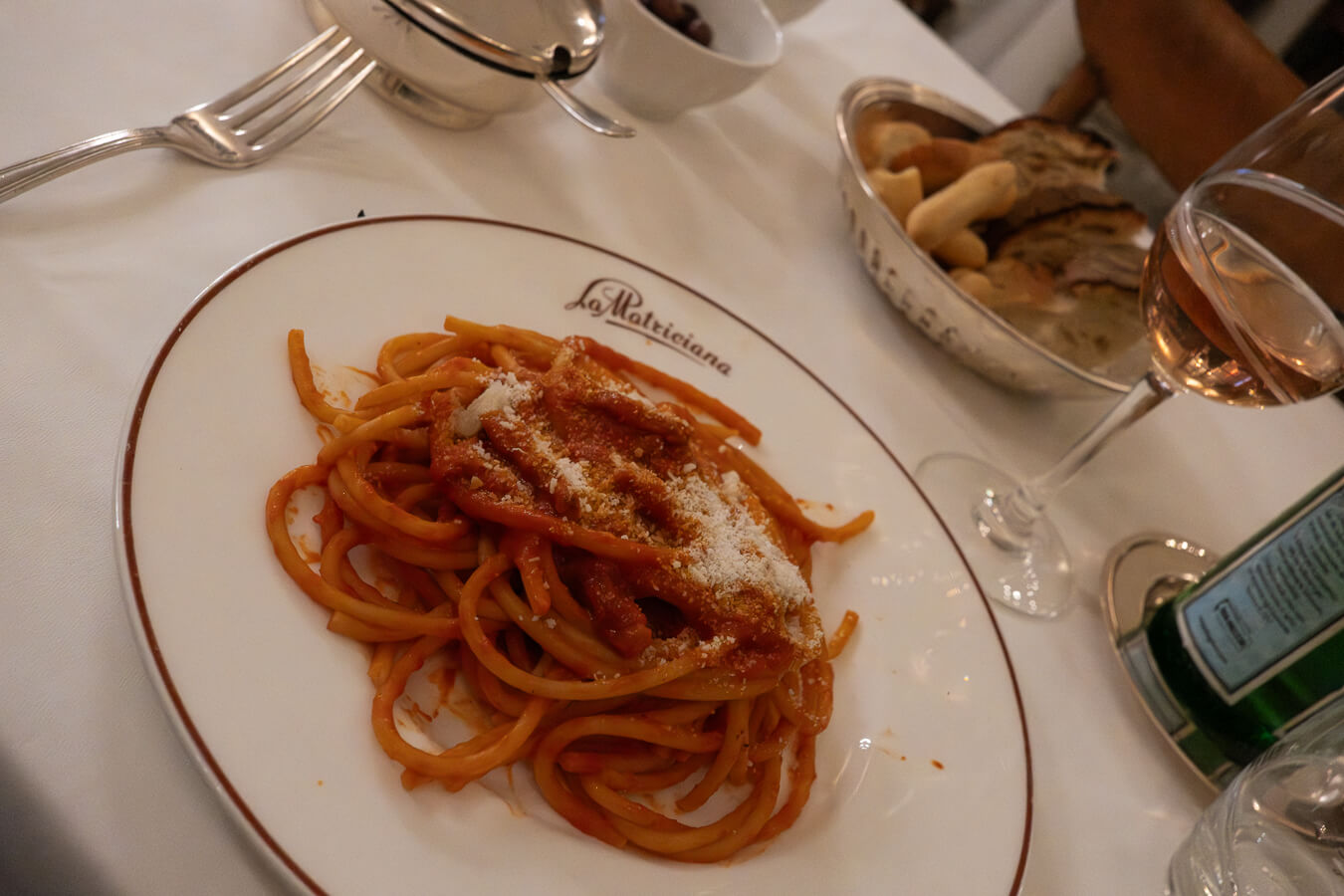
18. La Matriciana dal 1870


As the name suggests, this institution has been going strong since 1870, serving generations of diners with a steadfast commitment to classic Roman cooking.
The atmosphere feels timeless — traditional dining rooms, attentive service, and a menu built around the dishes that made the city famous. Amatriciana, naturally, takes center stage, alongside other Roman staples, but make sure not to miss their signature bucatini alla Matriciana. The house cheesecake is also a standout.
Dining here feels like stepping into a piece of culinary history, where tradition is not reinvented but carefully preserved.
19. La Ciambella
La Ciambella blends historic charm with a slightly more contemporary feel, set inside a beautiful space that hints at the layers of Rome’s past.
The menu stays rooted in Italian tradition but with a lighter, modern touch, offering seasonal dishes that feel polished without losing their sense of comfort.
It’s an easy, versatile choice — equally good for a long lunch or a relaxed dinner — and a welcome balance between classic trattoria warmth and a more refined city-center atmosphere.
20. Colline Emiliane
For a step away from Roman cuisine, Colline Emiliane brings a taste of Emilia-Romagna to the heart of Rome. Known for its handmade pasta, the restaurant specializes in northern Italian comfort dishes such as delicate tortellini, rich ragù, and silky tagliatelle prepared with traditional technique.
The atmosphere is simple and unpretentious, with a loyal following that speaks to the consistency of the cooking. It’s a fantastic choice when you want something deeply Italian but slightly different from the usual Roman rhythm.
21. Osteria da Fortunata
Osteria da Fortunata has become one of Rome’s most popular casual dining spots, known for its fresh handmade pasta and lively, welcoming atmosphere.
You’ll often see pasta being rolled by hand in the window — a simple detail that perfectly captures the restaurant’s focus on tradition and freshness.
With several branches now spread across the city, it’s an easy and reliable option whether you’re exploring the historic center or hopping between neighborhoods. The menu sticks to Roman classics and crowd-pleasing favorites, making it an ideal stop for a relaxed, satisfying meal.
22. Shiroya
Shiroya is a simple, elegant Japanese restaurant that offers a calm break from Rome’s busy trattorias and heavy pasta dishes. The focus is on fresh ingredients, clean flavors, and careful preparation, with sushi and small plates that feel light and balanced.
The space is minimalist and relaxed, making it a great option when you’re in the mood for something different but still refined. It’s an easy, reliable choice for a quieter, more contemporary dining experience in the city.
23. Rocco Ristorante
Rocco Ristorante brings a modern, stylish energy to Rome’s dining scene while keeping the focus firmly on Italian flavors. The menu mixes contemporary ideas with classic influences, resulting in dishes that feel polished yet approachable.
The atmosphere is lively but refined — the kind of place that works just as well for a long dinner as it does for a special night out. With thoughtful plating, seasonal ingredients, and a confident kitchen, Rocco offers a contemporary approach to Italian dining that still feels warm and inviting.
24. Roscioli


Roscioli is, without question, the most touristic meal in Rome — you won’t find many locals here — but that’s not necessarily a bad thing. What it lacks in neighborhood authenticity, it more than makes up for in sheer culinary quality.
Part restaurant, part deli, the space is packed with exceptional products, from outstanding cold cuts and cheeses to some of the most satisfying pasta dishes in the city. It’s a place built around ingredients, and that focus shows in every plate.
Come here for the food experience rather than a local atmosphere, and make sure to reserve well in advance — tables fill quickly. Just around the corner, the Antico Forno Roscioli is equally worth a stop, especially for fresh bread, pizza slices, and sandwiches that showcase the same commitment to top-quality ingredients in a more casual format.
25. Ie koji Japanese Izakaya
Ie Koji Japanese Izakaya feels like a true neighborhood hidden gem, small, relaxed, and quietly tucked away from Rome’s busier dining scene.
The atmosphere is informal and welcoming, with a menu built around classic izakaya-style dishes meant for sharing, from grilled skewers to small plates that pair perfectly with sake or a cold beer.
It’s the kind of place locals return to for an easy, unfussy meal, offering a cozy slice of Japanese comfort in the middle of Rome.
26. Hostaria Da Pietro
Hostaria Da Pietro is a classic Roman hostaria that keeps things simple, traditional, and reassuringly old-school. The menu focuses on hearty Roman favorites and seasonal dishes, served in a warm, no-frills setting that feels unchanged by time.
Service is friendly and straightforward, and the atmosphere leans more local than polished, making it a reliable choice for a comforting, authentic meal. It’s the kind of place you come to for honest cooking and a taste of traditional Rome without distractions.
27. Trattoria Da Cesare al Casaletto
A short ride outside the historic center, Trattoria Da Cesare al Casaletto rewards the extra effort with one of the most genuinely local dining experiences in Rome.
This is the kind of place Romans recommend to each other — relaxed, lively, and focused on perfectly executed classics rather than trends. The menu celebrates traditional Roman cooking, from expertly fried starters to rich pasta dishes and seasonal specialties, all served in a warm, unpretentious setting.
It’s worth venturing beyond the tourist zones for a meal that feels truly rooted in everyday Roman life.
What to Eat in Rome
Rome and the wider Lazio region has its own culinary identity, one that feels completely different from the food you’ll find in Milan, Venice, Bologna, Naples, Florence or even Lecce.
Italian cuisine is famously regional, and nowhere is that more obvious than in the capital, where recipes are rooted in tradition, local ingredients, and a no-frills approach to flavor.

Roman cooking is bold, comforting, and deeply satisfying, built on a handful of iconic dishes and ingredients that define the city’s food culture. These are the classics you’ll want to seek out while you’re here:
Cacio e pepe — Pasta dressed simply with pecorino Romano and black pepper, proving that just a few ingredients can create something unforgettable.
Carbonara — Made with eggs, guanciale, pecorino, and pepper (no cream), this is one of Rome’s most iconic and richest pasta dishes.
Amatriciana — A tomato-based pasta sauce with guanciale and pecorino, bold and deeply savory, originally from nearby Amatrice.
Gricia — Often called the ancestor of carbonara, combining guanciale, pecorino, and pepper without egg or tomato.
Supplì — Fried rice balls filled with tomato sauce and mozzarella, the ultimate Roman street snack.
Carciofi alla giudia — Jewish-style fried artichokes, crispy and golden, a signature of Rome’s Jewish culinary tradition.
Carciofi alla romana — Artichokes braised with herbs and olive oil, softer and more delicate than the fried version.
*Note that the artichoke season in Italy runs during the winter, and this is when artichokes are best.
Saltimbocca alla romana — Veal layered with prosciutto and sage, cooked quickly for a rich yet elegant main course.
Coda alla vaccinara — Slow-cooked oxtail stew, deeply flavorful and a classic example of Roman cucina povera. It’s often served with pasta too.
Guanciale — Cured pork cheek that forms the backbone of many Roman pasta sauces, prized for its rich, fatty flavor.
Pecorino Romano — Sharp, salty sheep’s milk cheese that defines much of Rome’s cooking, especially pasta dishes.
Puntarelle — A crisp chicory salad usually dressed with anchovy and garlic, offering a fresh, slightly bitter contrast to heavier dishes.
Planning where to eat in Rome and have any questions about the best restaurants in Rome, Italy? Let me know in the box below.
Make sure not to leave home without travel insurance. For the last few years, I’ve been using Safetywing Nomad Insurance for all my individual trips and digital nomad lifestyle and there’s no better company for all my insurance needs. Cover starts from as little as $58 per month. Get your quote below now.
Planning a trip right now? These are just some of my favorite websites I use to book everything from hotels to rental cars!
Discover Cars for quick and easy car rentals worldwide
Booking.com for great deals on hotels
Agoda also for great deals on hotels
Viator for tours and adventures around the world
FOUND THIS POST HELPFUL? PIN IT AND SHARE


Hello!
I enjoyed reading your posts on Rome, thank you! I am not sure if you do this, but ..
My daughter and I are going at the end of May, celebrating her 27th birthday while there. I would appreciate any guidance at all, you can spare on a nice, white table cloth, restaurant serving Italian Roma cuisine. We eat mostly seafood. We like to dress nicely and sit for a while enjoying a long meal. Thank you in advance!
Best Regards
Jeanette
Hi Jeanette, what a lovely occasion to be in Rome. In that case, book a table at Pierluigi. Traditional Roman cuisine is very meat based with not so much seafood, so if you’d like seafood Pierluigi is where I’d recommend. Have a lovely time.